


What happened when we ran process mining over a large insurer’s claims workflow, and why the fix wasn’t AI.
Last month, we ran process mining over a claims handling workflow at a large insurer. The SOP on paper described a clean, 11-step process. Logical. Tidy. The kind of workflow that looks like someone actually thought it through.
The data told a different story.
What the data actually shows
The R4.8m figure came from one specific handover between assessors and the finance team. On paper, it’s a single step: assessor completes review, finance signs off. In practice, 38% of claims bounced back. Assessors were sending incomplete documentation. Finance was rejecting it. The claim went back into the queue. The cycle restarted.
Nobody had flagged this as a problem because nobody could see it. The rework was invisible in their reporting. Each team knew their part of the process. Nobody owned the handover.
Process mining made it visible in hours.
Here’s what’s worth noting: the solution wasn’t an AI agent. It wasn’t a complex automation platform. It was a single workflow change and one Power Automate flow to enforce documentation completeness before handover.
Cycle time dropped from 18 days to 9 days within a month.
That’s not a technology story. That’s an operational clarity story. The technology just made it possible to see clearly enough to act.
The most common failure mode we see in enterprise automation is this: organisations identify a slow, painful process and immediately reach for an AI solution. The agent gets built. The automation gets deployed. And the process gets faster, at producing the same broken output.
Automating a broken process doesn’t fix it. It industrialises the dysfunction.
In this case, mining the process first cut the automation scope by 60%. The parts that remained, the ones that genuinely benefited from automation, were stable, well-understood steps with clean inputs and predictable outputs. That’s what automation is for.
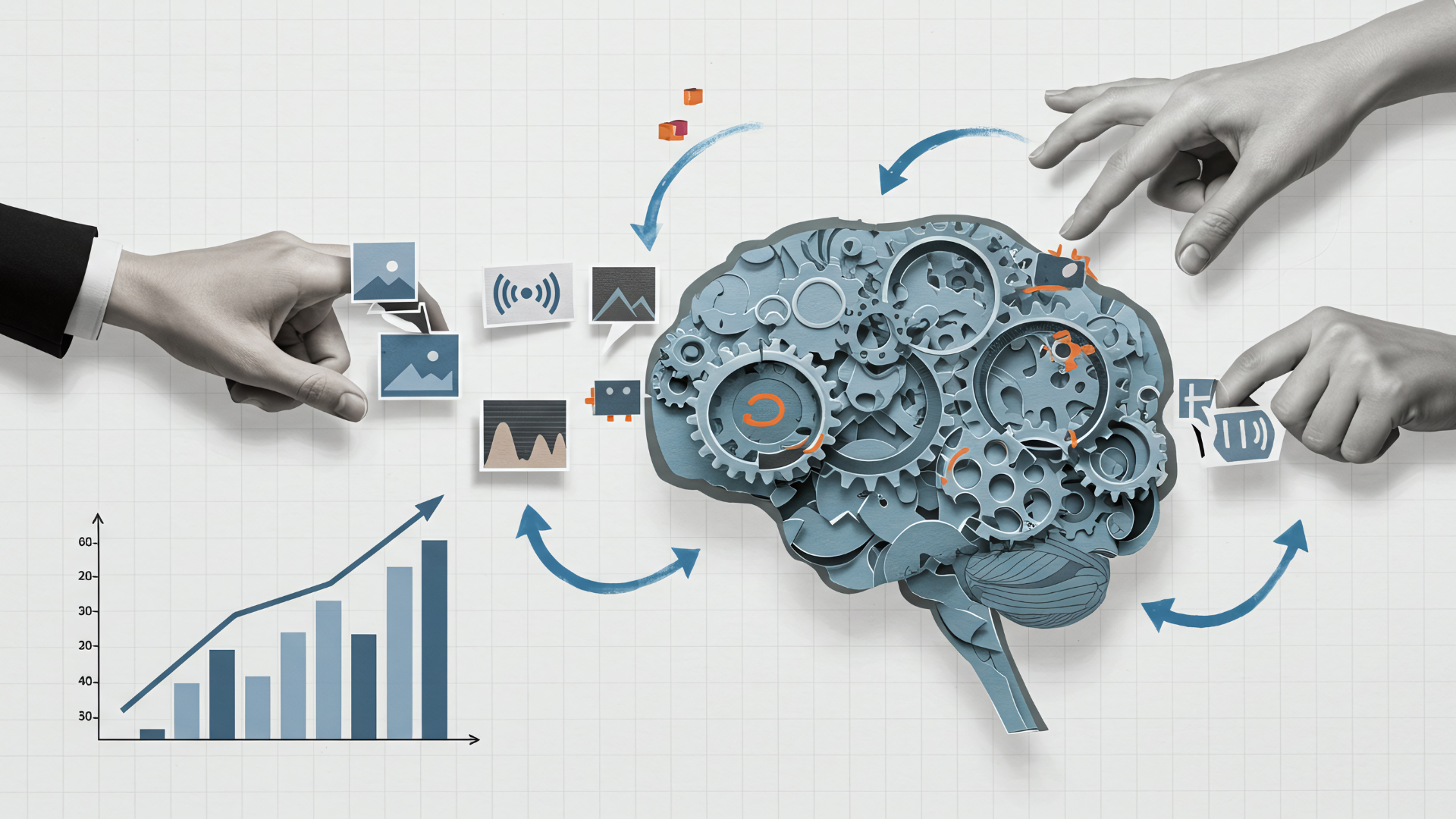
Process mining isn’t a reporting tool. It’s not a dashboard. It’s a diagnostic, one that builds a model of what’s actually happening in your operations from the event log data your systems are already generating.
Most organisations are running on assumptions about how their processes work. Those assumptions are almost always wrong in ways that are expensive and invisible. Process mining closes that gap.
The question isn’t whether you can afford to do this. It’s whether you can afford to keep automating without it.


Get Updates and announcements from the Verdant Data Team
You can unsubscribe any time. Learn more about our Privacy Policy


.jpg)
.jpg)
.jpg)
.jpg)


.jpg)

.jpg)
















.jpg)
%20(1).jpg)
.jpg)

.jpg)
.png)


