


%20(1).jpg)
In the modern corporate landscape, the only constant is the accelerating rate of change. For decades, the "gold standard" of risk management was built on a foundation of periodic reviews, manual audits, and complex spreadsheets. However, as organizational complexity balloons and regulatory demands intensify, these traditional methods are revealing their cracks. Relying on a retrospective "find and fix" mentality in an era of real-time data is like trying to navigate a high-speed motorway by looking only in the rearview mirror.
When problems are addressed only after they emerge, the consequences are inevitable: rising operational costs, declining stakeholder confidence, and stalled digital transformation initiatives. To survive and thrive, leadership must move beyond reactive firefighting. The shift toward proactive business resilience is no longer a luxury, it is a strategic imperative. This transition is being led by a new breed of smart executives who are leveraging Process Intelligence (PI) and Artificial Intelligence (AI) to transform risk from a hidden threat into a manageable strategic variable.
The fundamental challenge of traditional risk management is visibility. Most executives make decisions based on idealized versions of how their company operates, the "happy path" documented in training manuals. In reality, work often flows through a chaotic web of workarounds, shadow IT, and manual interventions.
The strategic breakthrough occurs when organizations combine Process Intelligence with Artificial Intelligence. This duo creates a living, breathing map of the enterprise. While Process Intelligence reveals how work actually flows within an organization in real time, AI converts those operational insights into early warning systems.
Traditionally, businesses have relied on subjective assessments and manual reporting. These processes are inherently prone to human bias and significant time lags. AI technologies excel where humans struggle: analyzing enormous datasets at velocities that surpass human capabilities. By integrating AI into process intelligence frameworks, organizations can:
Contextualize Risk: Instead of looking at IT or Finance in a vacuum, AI monitors critical functions simultaneously, ensuring risk assessment occurs within a complete business context.
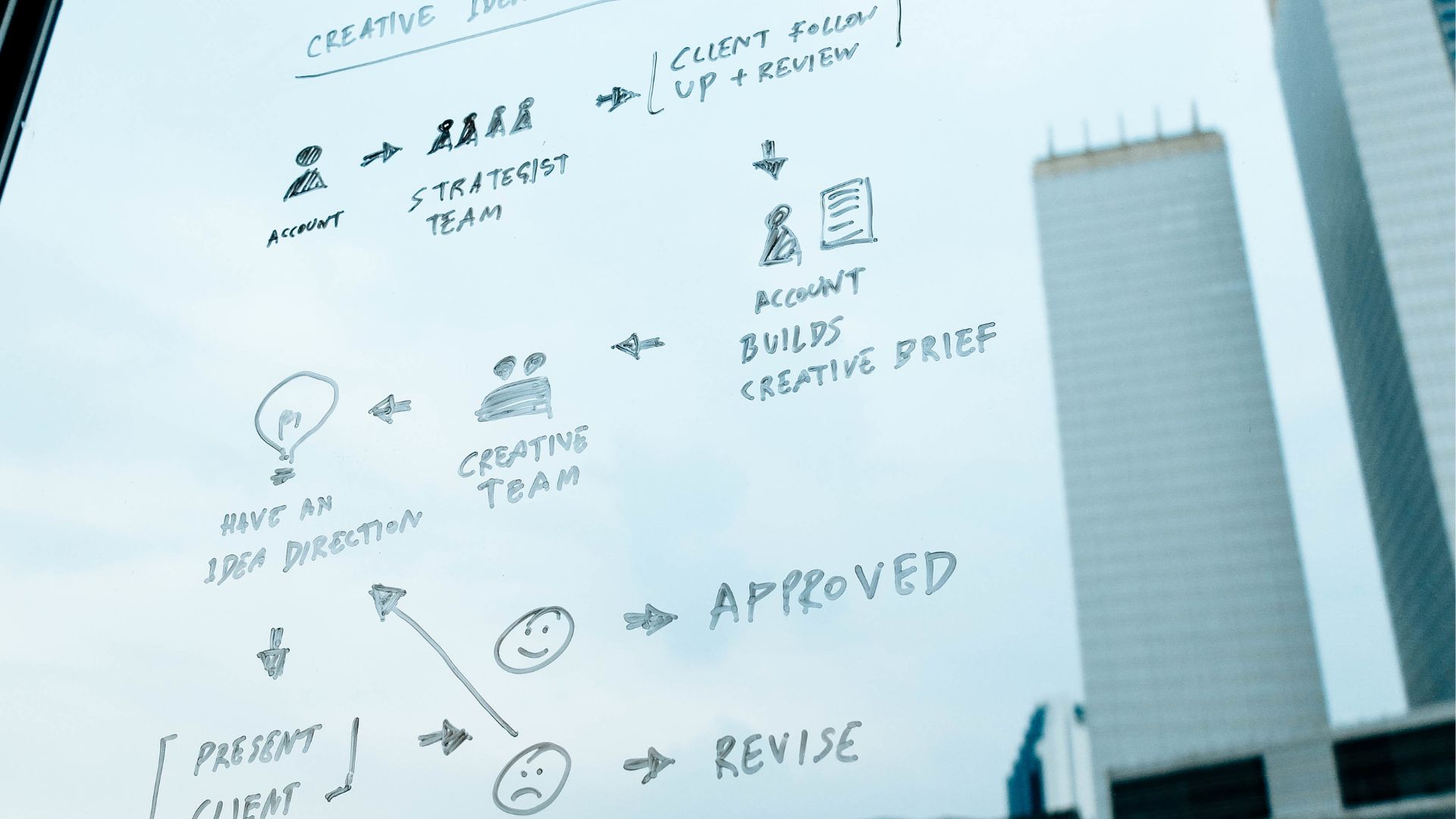
The most resilient organizations don't treat risk management as an annual event. Instead, they implement a Continuous Intelligence Loop. This five-stage cycle creates a self-improving ecosystem that grows smarter with every transaction.
Everything starts with data. Instrumentation involves systematically pulling event logs from core business systems, including ERP (Enterprise Resource Planning), CRM (Customer Relationship Management), ticketing platforms, and other mission-critical applications. This creates a "digital footprint" for every action taken within the company.
Once the data is collected, it is mapped to show processes as they actually occur. This stage exposes process variants, operational delays, and control gaps that traditional audits often miss. Seeing the "as-is" process is the first step toward fixing it.
With a clear view of the process, AI is applied to flag anomalies. By comparing real-time data against historical benchmarks, the system can quantify risk levels and propose specific remediation actions. This transforms raw data into actionable intelligence.
Insights are useless without execution. This stage involves either automated responses (such as blocking a non-compliant transaction) or "human-in-the-loop" workflows. These are guided by clear Service Level Agreements (SLAs) to ensure that the response is as fast as the detection.
Finally, the system measures the outcome of the actions taken. By feeding these insights back into the cycle, the organization creates a continuous improvement loop. The system learns to distinguish between genuine threats and false positives, refining its accuracy over time.
A primary driver of corporate risk is inconsistency. When different departments or regional offices "do things their own way," they create dark corners where risk can fester. Process intelligence acts as a powerful tool for workflow standardization.
By establishing a "digital twin" of the optimal process, the system can immediately flag any non-conformant activity as it occurs. For risk management teams, this marks a shift from periodic sample testing to continuous control monitoring.
The primary advantage of automation in this context is the stabilization of operational outcomes. Human error, ranging from simple calculation mistakes to missed details in a manual report, generates high costs. By reducing the dependency on manual assessments, organizations achieve:
Case Study: Steel Manufacturing Excellence One of Verdant Data’s clients, a global steel manufacturing giant, utilized process mining to revolutionize its internal audit department. Historically, they could only audit a small fraction of their transactions. By implementing process intelligence, they increased their audit coverage by 20% and significantly improved the accuracy of their findings. By directing resources toward the highest-risk areas identified by the data, they didn't just improve compliance, they enhanced overall operational visibility.
The goal of the modern executive is not the complete elimination of risk, that is a mathematical impossibility. The goal is superior anticipation and mitigation.
Forward-thinking leaders are reinventing their approach by building automation capabilities on a foundation of comprehensive process intelligence. As Verdant positions it, process intelligence is no longer just a technical tool; it is a strategic enabler of compliance, resilience, and sustainability.
Risk management has evolved. It is no longer a defensive, back-office function designed to say "no." It has become a value-creating engine that allows organizations to operate confidently in increasingly complex environments. By identifying opportunities early and acting quickly, you not only protect value but also create the stability necessary for sustainable growth and operational excellence.


Get Updates and announcements from the Verdant Data Team
You can unsubscribe any time. Learn more about our Privacy Policy


.jpg)
.jpg)
.jpg)
.jpg)


.jpg)

.jpg)


















.jpg)

.jpg)

.jpg)
.png)


