


If your organization is still relying on workshops, sticky notes, and Visio diagrams to understand how work actually gets done, you're already behind. According to McKinsey, companies lose up to 20-30% of revenue annually due to process inefficiencies, and most of them don't even know where the leaks are. That's exactly where process discovery tools come in.
In 2026, automated discovery, process mining, and task mining have moved from niche IT investments to core operational infrastructure. Whether you're chasing hyperautomation goals, preparing for an RPA rollout, or simply trying to understand why your accounts payable cycle takes three times longer than it should, the right process discovery tool can give you the visibility to act fast.
This guide breaks down the best process discovery tools for 2026, explains the key differences between each approach, and gives you a practical framework for choosing the right solution for your organization.
Process discovery is the practice of identifying, mapping, and analyzing how business processes actually execute in the real world, not how they were designed on paper. Modern tools do this automatically by pulling data from your existing systems, capturing user interactions, or analyzing event logs.
There are three core approaches every buyer needs to understand before evaluating software:
Automated Process Discovery uses artificial intelligence to map entire processes across systems with minimal human input. It's fast, scalable, and ideal for organizations that need enterprise-wide visibility without the overhead of manual documentation.
Process Mining analyzes event logs generated by your ERP, CRM, or BPM systems to reconstruct actual process flows. It's exceptionally powerful for back-office and IT-heavy processes, offering three distinct capabilities: discovery, conformance checking, and process enhancement.
Task Mining works at the desktop level, capturing clicks, keystrokes, and application usage to map human-centric tasks. It's the go-to approach for front-office processes and is widely used to identify strong candidates for RPA automation.
Together, these three methods give organizations the complete, end-to-end picture of how work flows, from system to screen.
With dozens of platforms competing for budget, evaluation criteria matter more than brand recognition. Before shortlisting vendors, assess tools across these dimensions:
One rule of thumb worth following: if your processes are primarily system-driven and logged in an ERP, start with process mining. If your highest-value inefficiencies live in front-office, human-performed tasks, task mining should lead your evaluation.
After evaluating the market across AI capabilities, integration depth, ease of use, and end-to-end automation potential, one platform stands clearly above the rest for organizations serious about turning process insights into real, deployed automation: UiPath Process Mining.
While competitors like Celonis and SAP Signavio excel in their respective niches, no platform in 2026 offers what UiPath does, a truly unified journey from the moment you discover a broken process to the moment a bot is running in production, fixing it. That end-to-end promise, now more fully realized than ever, is why UiPath Process Mining is our top pick.
What sets UiPath Process Mining apart from every other tool in this category is how deeply it is woven into the broader UiPath ecosystem. This isn't a bolt-on acquisition or a loosely connected partner integration, it is a native, first-party component of the UiPath Business Automation Platform.
In practice, this means that when your process mining analysis identifies a bottleneck in, say, your invoice approval workflow, you don't need to export a report, brief a separate team, and open a different tool to begin building a fix. The insight lives in the same environment as UiPath Studio, UiPath Orchestrator, and UiPath Test Suite. Your automation developers can act on discovered process data immediately, dramatically compressing the time between "we found the problem" and "the problem is automated away."
This integration spans the full UiPath stack:
No other process mining vendor offers this level of native, end-to-end connectivity across the full automation lifecycle.
UiPath has invested heavily in its Process Mining platform over recent cycles, and the improvements are substantial. Here's what's new and noteworthy heading into 2026:
AI-Powered Process Insights with Autopilot UiPath's Autopilot functionality has been extended into Process Mining, allowing business users to query process data in plain, conversational language. Instead of requiring a data analyst to build custom dashboards, a process owner can simply ask "Where are the biggest delays in our purchase-to-pay process?" and receive an instant, visual answer. This democratizes process intelligence across the organization significantly.
Out-of-the-Box Process Templates UiPath now ships with a growing library of pre-built process templates for common enterprise workflows, including Accounts Payable, Order-to-Cash, Procure-to-Pay, and IT Service Management. These templates dramatically reduce time-to-value, allowing teams to go from data connection to meaningful insight in days rather than weeks.
Enhanced Task Mining with AI Activity Recognition The task mining component has been significantly upgraded with AI-driven activity recognition, which automatically classifies and groups captured desktop interactions into meaningful process steps, reducing the manual effort required to clean and interpret raw task capture data.
Process Simulation & What-If Analysis UiPath has introduced process simulation capabilities that allow teams to model the impact of a proposed change, or a planned automation, before it is deployed. This means organizations can forecast ROI, predict throughput improvements, and stress-test process changes in a risk-free environment.
Conformance Checking & Real-Time Monitoring Post-automation, UiPath Process Mining continuously monitors live processes against defined ideal-state models. When a process drifts, due to exceptions, system changes, or human behavior, the platform flags it automatically, ensuring that automation investments don't degrade silently over time.
Connector Expansion UiPath has significantly expanded its native data connector library, now supporting direct integrations with SAP, Salesforce, ServiceNow, Oracle, Microsoft Dynamics, Workday, and more, pulling event log data without requiring custom ETL pipelines or data engineering resources.
Role-Based Dashboards New role-specific dashboard views mean that a CFO, a process analyst, and an RPA developer can each log into the same platform and immediately see the metrics and visualizations most relevant to their role, without wading through data meant for someone else.
This is the headline advantage that no competitor can currently match at the same level of maturity.
Most organizations that invest in process mining face a frustrating gap: the tool shows them what's wrong, but acting on those insights requires a completely separate toolchain, team, and budget cycle. The insight and the action live in different worlds, and the distance between them kills momentum.
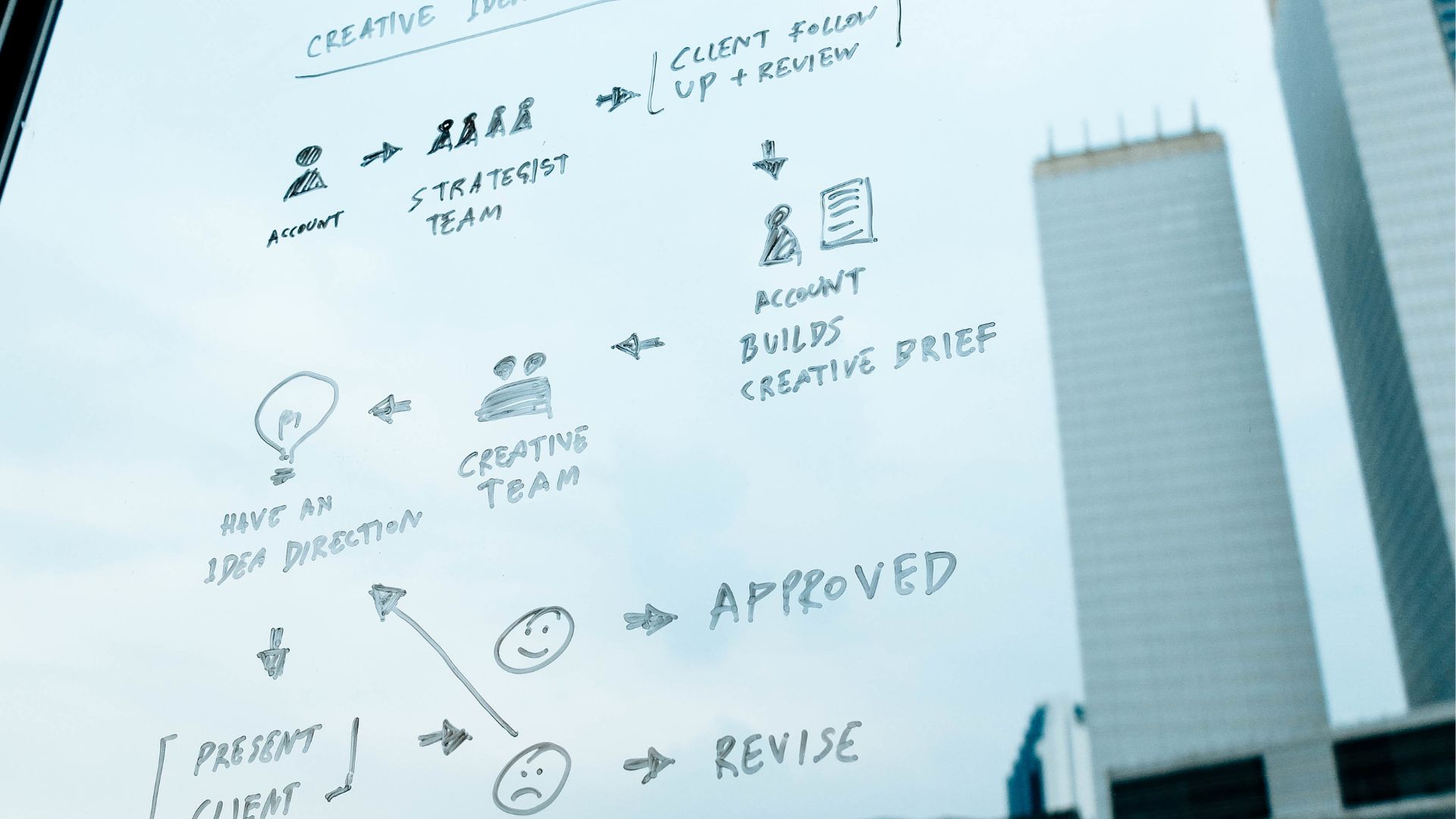
UiPath closes that gap entirely. Here is what the end-to-end journey looks like on a single platform:
Iterate - As your processes evolve and your automation program matures, the platform keeps pace, continuously discovering, continuously improving.
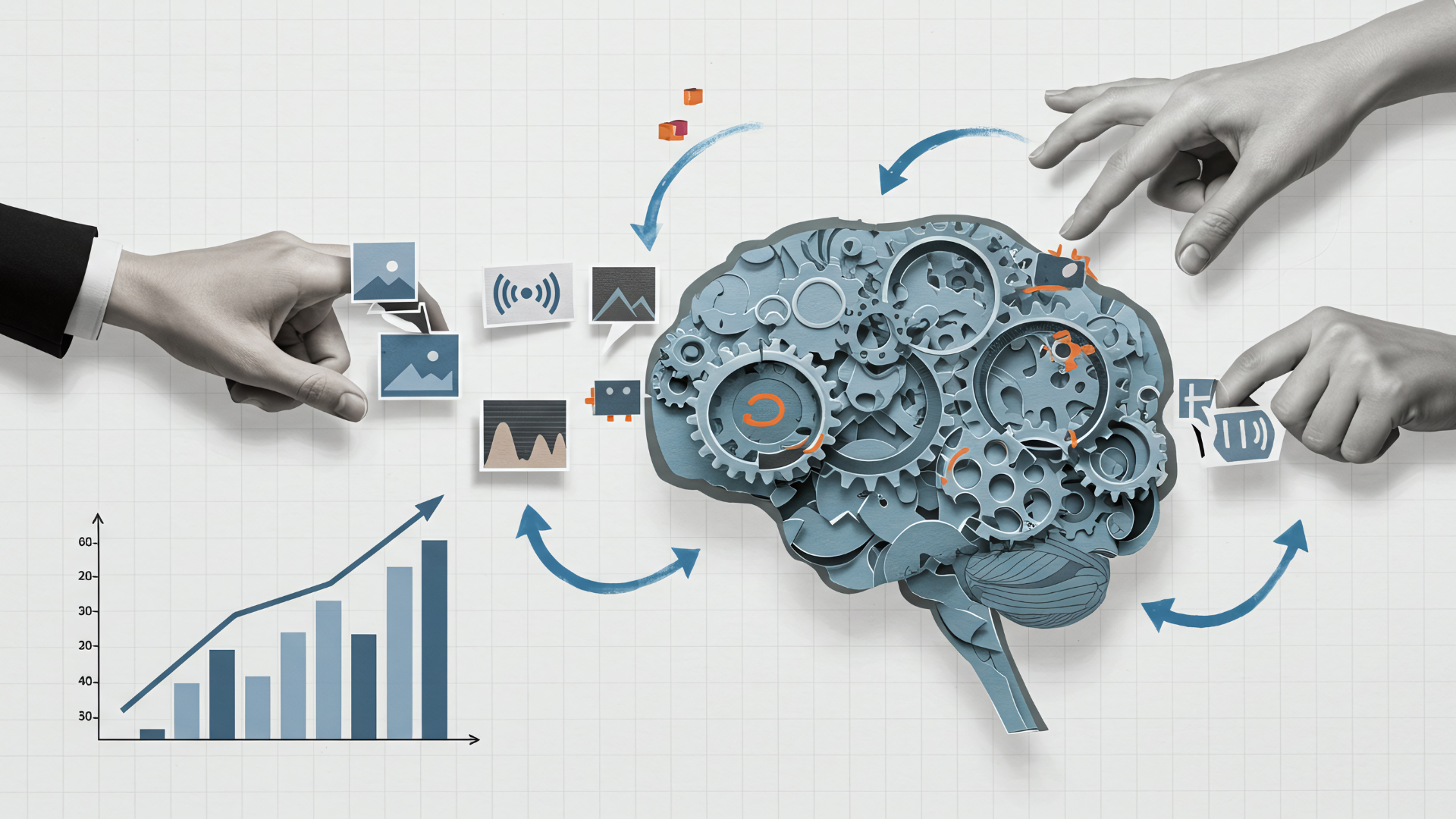
The most significant shift happening right now is the move from retrospective analysis to real-time, prescriptive intelligence. Tools are no longer just telling you what happened, they're predicting bottlenecks before they occur and recommending corrective actions automatically.
Generative AI is accelerating this shift dramatically. Platforms like Celonis, Microsoft, and UiPath are embedding large language model capabilities that allow business users, not just data analysts, to query processes in plain English and receive actionable insights in seconds.
The other major trend is the convergence of process mining, task mining, and business intelligence into unified operational platforms. By the end of 2026, the distinction between these categories will matter far less than it does today. What will matter is which platform gives your organization the fastest, most actionable path from process insight to process improvement.
The gap between knowing your processes are inefficient and actually doing something about it doesn't have to be wide. The organizations pulling ahead in 2026 aren't necessarily the ones with the biggest budgets or the most sophisticated IT teams, they're the ones who took the first step toward visibility and had the right guidance to act on what they found.
Process intelligence is no longer reserved for large enterprises with dedicated transformation teams. With the right introduction and a structured starting point, businesses of any size can begin uncovering the inefficiencies that are quietly costing them time, money, and competitive edge.
The best place to start? A conversation.
Reach out to VD for a free assessment and let us introduce you to the world of process intelligence. We'll help you identify where your biggest process gaps are, which discovery approach makes the most sense for your organization, and how to build a clear, practical roadmap from insight to automation, without the overwhelm.
No jargon. No hard sell. Just clarity on where you stand and where you could be.
Get in touch with the Verdant Data team today and take the first step toward a smarter, more automated operation.


Get Updates and announcements from the Verdant Data Team
You can unsubscribe any time. Learn more about our Privacy Policy


.jpg)
.jpg)
.jpg)
.jpg)


.jpg)

.jpg)

















.jpg)
%20(1).jpg)
.jpg)

.jpg)
.png)


